Slow living is often sold as a cabin fantasy. Most of us need a version that fits meetings, school pickups, and laundry that regenerates overnight. These slow living ideas for busy people are designed for the life you already have, not the one you would need a sabbatical to start.
You do not have to quit your job to go slower. You have to protect a few pockets of unhurried attention and make smaller loops where you can.
What slow living can mean on a busy week
Here, slow means fewer spikes, more recovery, and less performing calm for an audience. It can live beside deadlines. The measure is simple: do you feel a little more present by Thursday?
- Prefer ideas that take under fifteen minutes.
- Anchor them to something you already do.
- Drop anything that becomes another scoreboard.
- Protect sleep like unpaid overtime you are owed.
30 slow living ideas for busy people
Use this as a menu. Pick three for this week. Leave the rest for a quieter season.
- Drink water before you open the loudest app.
- Eat one meal without a screen three days this week.
- Walk ten minutes with no podcast and no phone call.
- Open a window for five minutes of real air.
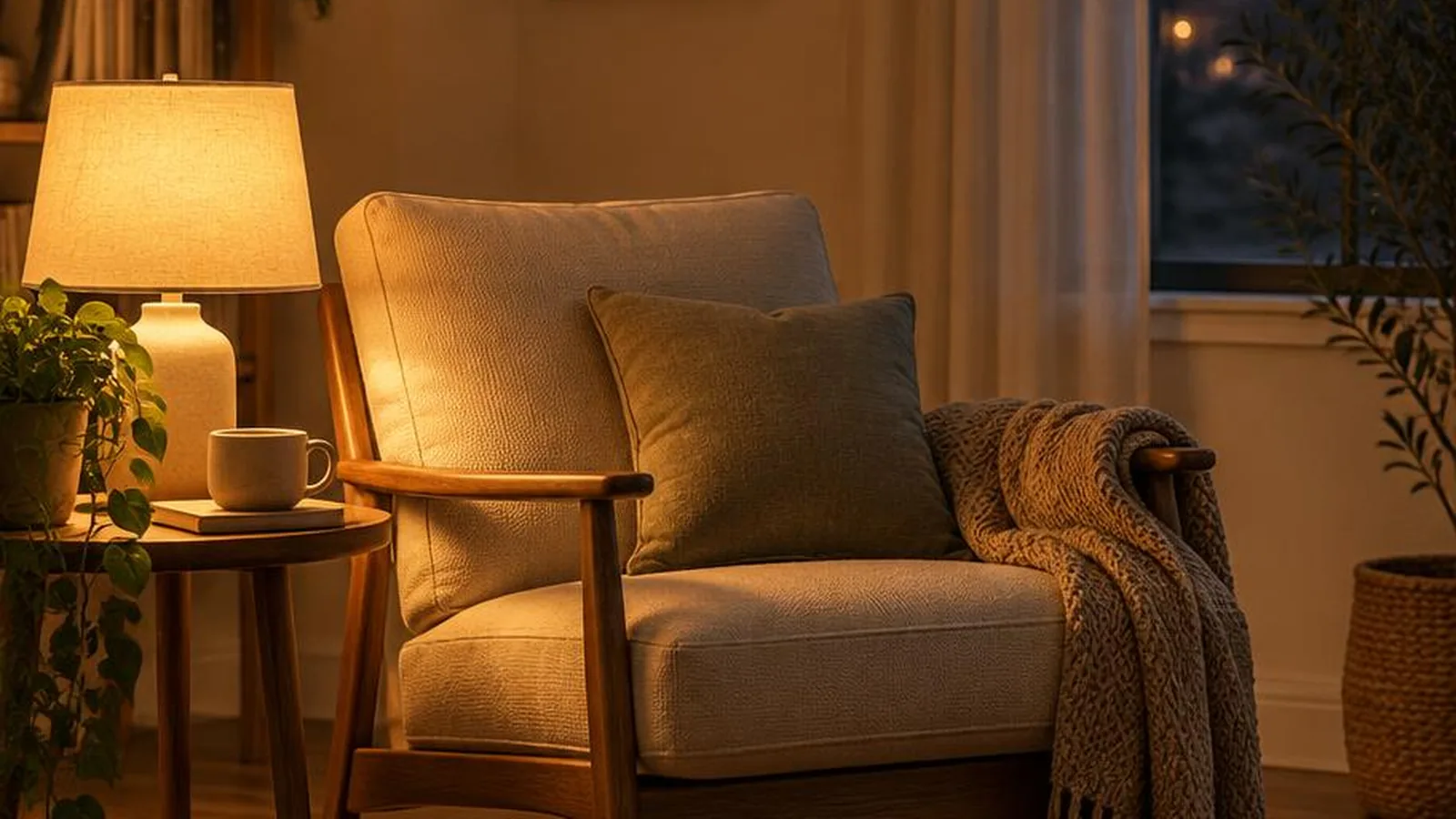
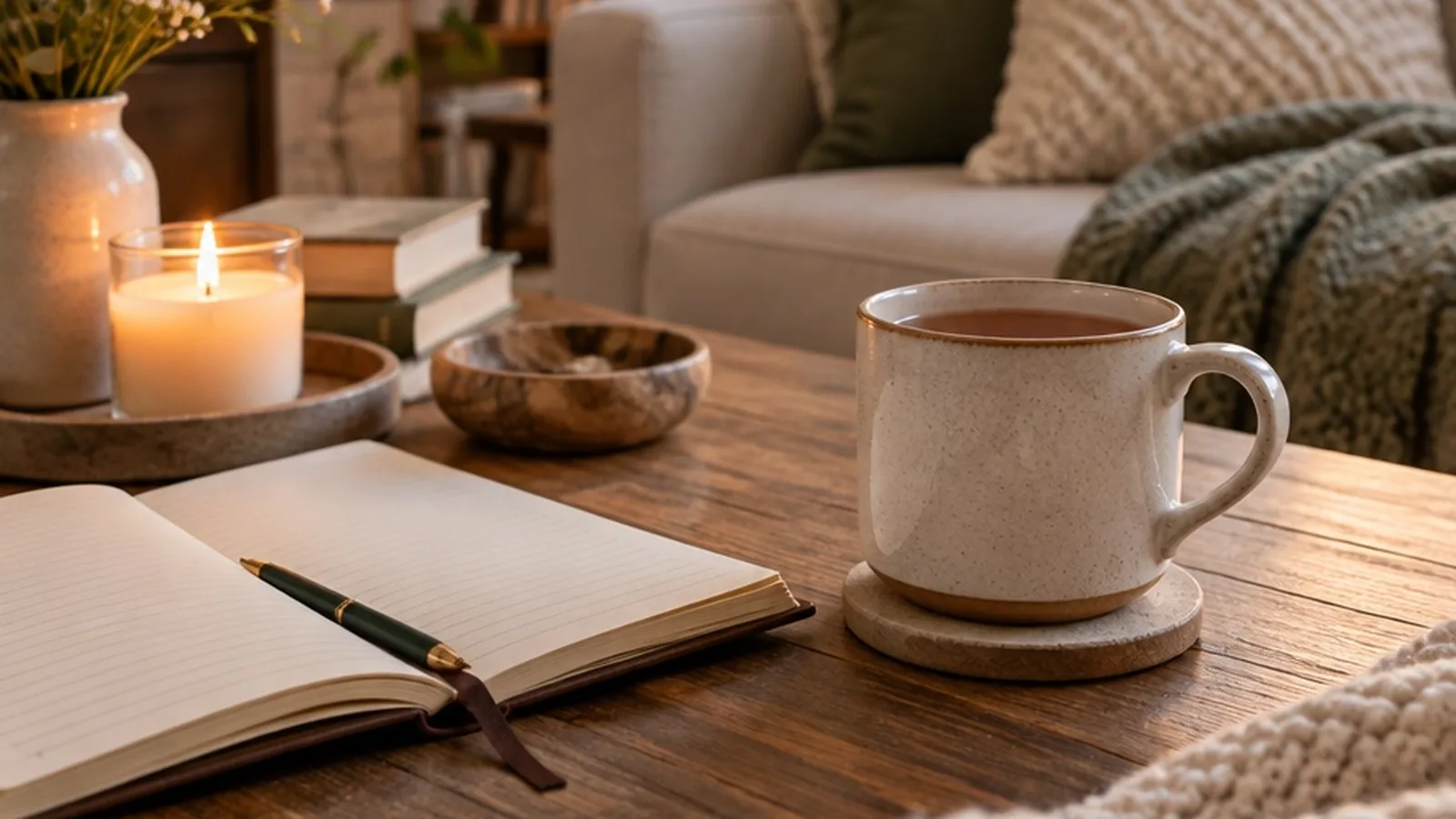
- Make tea like it is a tiny ceremony, not a caffeine errand.
- Put your phone to charge outside the bedroom one night in three.
- Prep tomorrow’s outfit while the kettle boils.
- Leave fifteen minutes of buffer before the first meeting.
- Cook the easiest good dinner twice this week.
- Sit down to put on socks like you have time.
- Read ten pages that are not for self improvement.
- Unsubscribe from one email that spikes your pulse.
- Keep a soft playlist for transitions between roles.
- Look at the sky on purpose once a day.
- Say no to one optional plan that only drains you.
- Clear only the sink, not the whole house.
- Write three lines in a notebook before inbox time.
- Take a slower shower and notice the temperature change.
- Buy flowers or a plant for the place you make coffee.
- Stretch for two songs instead of a full class you will skip.
- Do one errand on foot if it is nearby and safe.
- Leave the dishes if sleep is the kinder choice.
- Text one person a specific thank you.
- Schedule a boring joy: library, bath, early bedtime.
- Silence non essential notifications until lunch.
- Choose softer light after sunset.
- End one work block by writing the next tiny step.
- Put shoes by the door the night before.
- Check your calendar Sunday with tea, not panic.
- Celebrate finishing, not only starting.

Morning slowness that survives an alarm
You do not need a 5 a.m. personality. You need a gentler on-ramp.
- Water before the loudest app.
- Three notebook lines before inbox.
- Window air for five minutes.
- Outfit prep while the kettle boils.
- Softer ambitions after late evenings.
Midday slowness inside a real job
Slow living at work is mostly about buffers and transitions. You are not lazy for needing landing gear between meetings.
- Fifteen minute buffer before the first hard call.
- Ten minute walk with no podcast.
- Close one mental tab before opening another screen tab.
- Eat lunch away from the keyboard when you can.
- End a work block by writing the next tiny step.
Evening slowness that helps tomorrow
Evening is where busy people accidentally steal from morning. Keep the loops short.
- Shoes by the door the night before.
- Phone charging outside the bedroom sometimes.
- Easiest good dinner twice a week.
- Softer light after sunset.
- Leave the dishes if sleep is kinder.
How to keep slow living from becoming another hustle
If your slow living plan needs a spreadsheet, it is too fast. Choose one morning idea, one midday idea, and one evening idea. Track them with paper check marks if that helps, or do not track them at all. Felt steadiness beats a streak that scolds you.
- Anchor habits to existing cues: kettle, commute, sunset.
- Tell one friend your three ideas so kindness has a witness.
- Review on Sunday with tea, not panic.
- Swap any idea that feels like homework.
- Protect sleep first when the week gets sharp.
When busy turns into survival mode
Some weeks are not slow. Illness, money pressure, deadlines, and grief shrink capacity. On those weeks, shrink the list with them. Water, food, and one kind message may be the whole practice. That still counts as slow living because it refuses to punish you for being human.
Slow living ideas are scaffolding for attention, not a cabin you must buy. Return when you can. Your busy life can still hold a few unhurried minutes on purpose.
Slow living with kids, roommates, or shared space
Slow does not require solitude. It requires a few agreements and a realistic volume.
- Name one shared quiet pocket: ten minutes after dinner, or soft voices after nine.
- Let chores be partial. A cleared table is still a win in a busy house.
- Use outdoor air as a family reset when indoor noise climbs.
- Protect one personal slow habit even if it is only tea before the next ask.
- Trade tasks so one person gets a true pause while another covers.
A two-week slow living experiment
Week one: pick one morning idea, one midday idea, and one evening idea. Do not add more. Week two: keep what felt human, swap what felt fake, and notice sleep, patience, and how often you rushed for no reason. Write three lines on Sunday about what got quieter.
Busy people often fail at slow living because they try to install a whole lifestyle between meetings. These ideas work because they are pocket-sized. Thirty options means you can lose interest in ten and still have plenty left for the season you are actually in.
If your job is seasonal or your caregiving load spikes, shrink the experiment without guilt. Slow living for busy people includes the honesty to say not this week, and the courage to return when the calendar loosens by even an hour.
A closing invitation
Pick three ideas from the thirty. Put one reminder near the kettle. Let this week include at least one meal, one walk, or one evening that is not raced. Slow living for busy people is not escaping the calendar. It is learning to inhabit it without bracing the whole time.