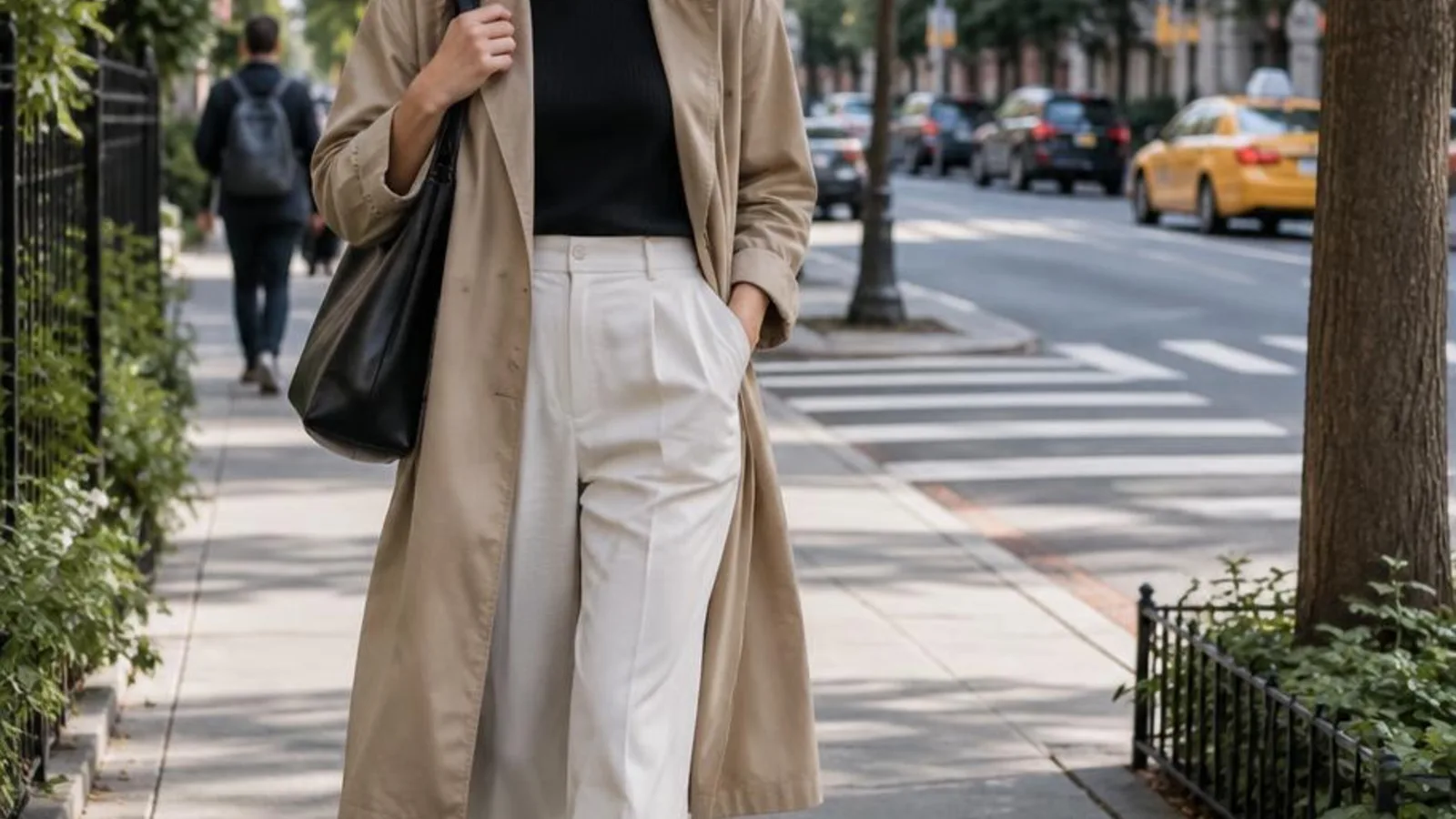
Mindful walking in a city is not a silent retreat with birdsong on demand. It is attention practiced between buses, dogs, delivery carts, and construction noise. You already walk. The practice is noticing that you are walking, on purpose, for a few blocks, without turning the sidewalk into another productivity project.
These mindful walking ideas for city days are built for pavement, crosswalks, and lunch breaks. They fit errands, commute buffers, and the stretch between the office door and the train. If you have been waiting for a forest trail before you start, you can stop waiting.
Start with a route small enough to finish
Big plans die at the first red light or the first text that feels urgent. Choose a loop you can complete even when you are tired and slightly annoyed at the city.
- Two block loop: out one street, back another. Same route for a week so the novelty is attention, not navigation.
- Errand walk: grocery or pharmacy with the phone in a pocket. Notice five storefront colors before you go inside.
- Commute buffer: get off one stop early once a week and walk the last stretch at a slower pace than your inbox wants.
- Lunch perimeter: circle the building or block once before you eat. Mark the start with a doorway reset breath.
- After work decompression: three blocks before you go home, even if home is close. Treat it as a bridge, not extra exercise.
What to notice without turning it into homework
Pick one sense per walk. Switching every few seconds creates more noise than presence, and overthinkers especially love collecting too many categories.
- Feet first: feel heel, roll, toe. Name the contact points when your mind drifts to tomorrow's agenda.
- Sound map: near sounds, then far sounds. Horns count. Birds count. Both are the city being itself.
- Color hunt: choose one color and collect sightings until your block ends. Red doors, blue bikes, yellow bags.
- Temperature check: air on your face, shade versus sun, the shift when you pass a subway grate or cafe vent.
- Kind stranger detail: notice one considerate act without staring. Borrow steadiness for a moment, then keep walking.
- Smell trail: bakery, rain on asphalt, laundry exhaust. Smell is underrated for pulling you out of mental rehearsal.
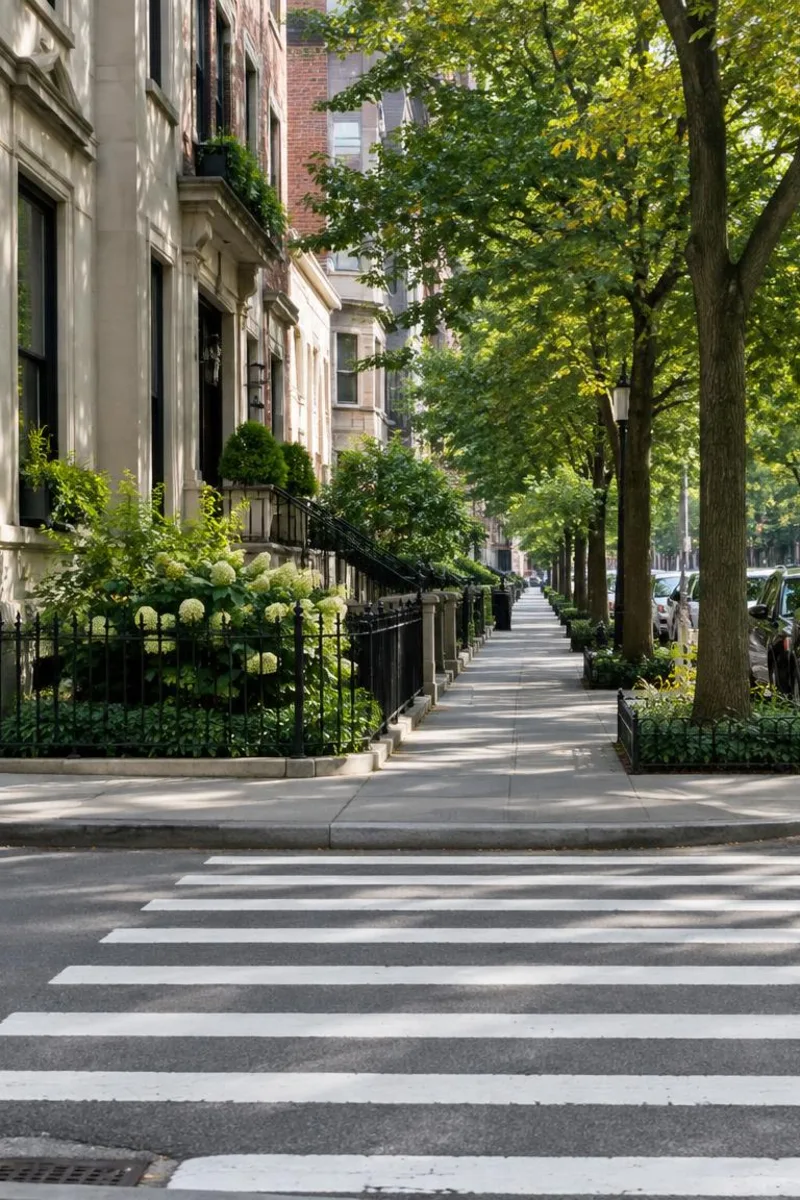
Pace and posture that fit public streets
You do not need a special walking face or closed eyes at a crosswalk. Keep your gaze easy and your phone away for a set number of blocks.
- Match steps to breath for one corridor: in for two steps, out for two or three. Drop the matching when traffic demands full attention.
- Unclench the jaw at every corner. Corners make good reminders because they already interrupt your stride.
- Let arms swing naturally. Forced stillness looks tense and feels tense.
- Pause at a crosswalk as practice, not delay. Feel both feet before the light changes.
- If you wear a backpack, notice the straps once, then adjust if needed, then return to feet.
City specific challenges and how to meet them
Crowds, noise, and urgency will interrupt you. Plan for interruptions instead of treating them as proof the practice failed.
- When someone cuts you off, name it once and return to your feet. The return is the practice.
- If headphones help, pick one instrumental track and treat it as a timer for the loop. Lyrics can pull you into stories.
- Rain counts. Umbrella walking with attention to puddles and reflections is still mindfulness.
- Night walks: stick to lit routes you know, keep awareness practical as well as present, and shorten the loop if needed.
- With a friend: agree on two silent blocks, then talk. Shared silence on a sidewalk can feel surprisingly easy.
- With kids or dogs: use their pace. Notice their stops. Your practice becomes flexible instead of brittle.
A weekly city walking menu
Use this as a menu, not a streak that shames you on rainy Thursdays.
- Monday: two block loop, feet first.
- Wednesday: lunch perimeter, sound map.
- Friday: one stop early commute walk, color hunt.
- Weekend: longer errand walk with the phone pocketed for the first ten minutes.
- Any overloaded day: one block only. One block still teaches return.
Micro practices for days you cannot take a real walk
Some city days refuse to give you three free blocks. You can still practice with scraps of movement.
- Building lobby lap: one slow circuit with attention on footsteps before you hit the elevator.
- Platform pacing: when the train is late, walk the length of the platform once with a sound map.
- Parking garage ascent: stairs instead of elevator for one floor, matching breath to steps.
- Store aisle mindfulness: feel the cart handle, notice fluorescent light, choose items with less hurry.
These scraps keep the habit alive so the longer loops feel familiar when time returns. Consistency on tiny routes beats rare perfect walks you never take.
How to know it is working
You may not feel blissful. You may simply arrive at the next place slightly less braced, with a clearer sense of your own pace. Sometimes the win is that you did not refresh email while crossing the street. Sometimes the win is that you noticed a tree you have walked past for months.
Mindful walking ideas for city days succeed when they respect the environment you actually live in. Pavement is enough. Noise is allowed. Crowds are part of the field. Coming back to your steps between the noise is the whole point, and the city will give you endless chances to practice.